
Roofers General Liability Insurance
Don't trust your commercial contractor's insurance to just any agent. We are true specialists and combine personalized guidance with a wide range of carriers to build coverage that truly fits your business.
4.9 Rating, 330+ Google Reviews
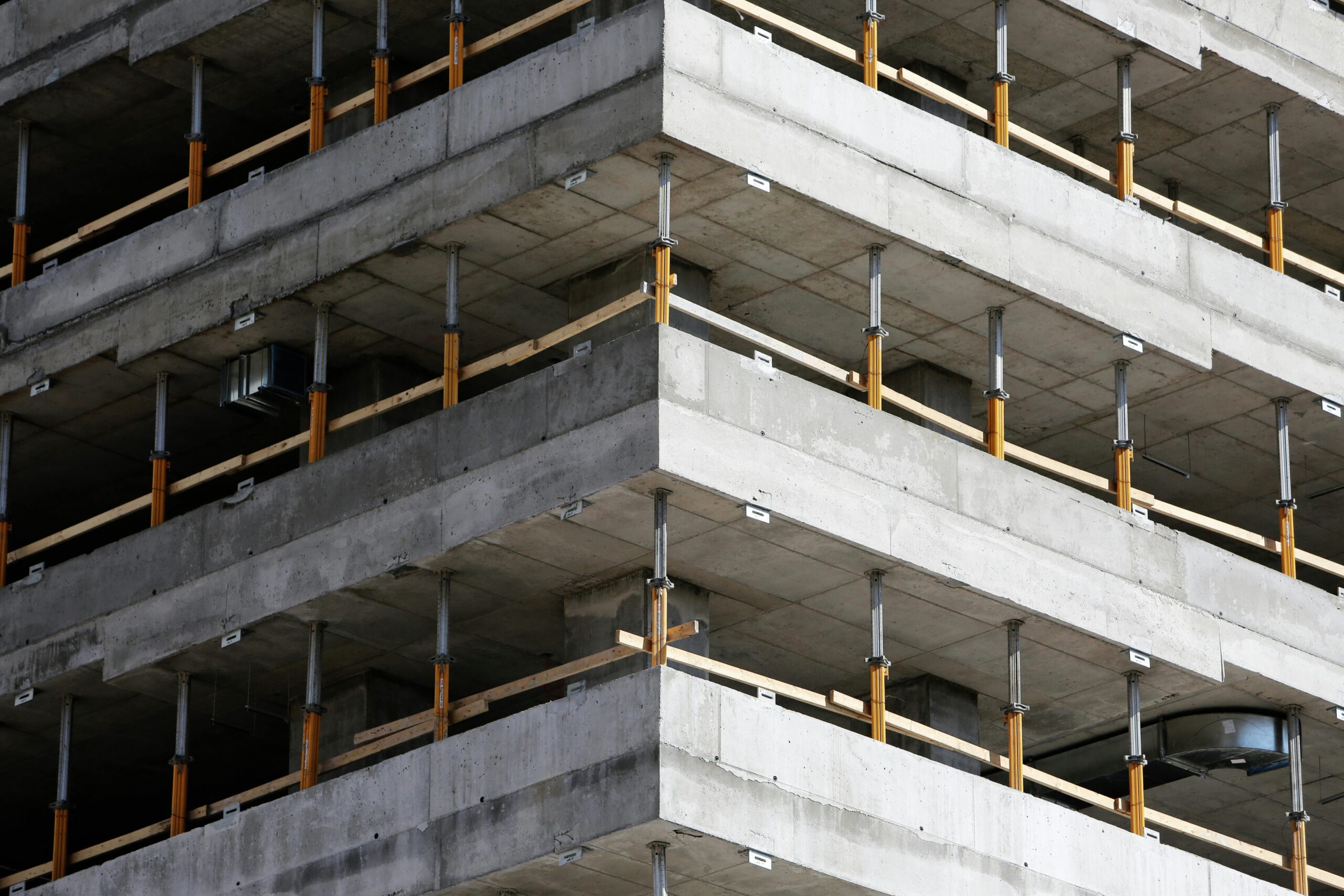
Practical liability protection for roofing contractors facing real jobsite risks
If you’re a roofing contractor, you already know the work comes with risk. Between ladders, debris, crews, customer property, and active jobsites, one accident can turn into an expensive claim fast. Roofers contractor general liability insurance helps protect your business when third parties claim bodily injury or property damage tied to your work.
What Is Roofers Contractor General Liability Insurance?
Roofers contractor general liability insurance is a core business coverage designed to help protect roofing contractors from common third-party claims.
In plain English, it may help cover situations where:
- A customer or bystander gets hurt because of your operations
- You accidentally damage someone else’s property
- A claim is made that your completed work caused damage
- You face certain legal defense costs related to covered liability claims
For many roofing businesses, this is one of the foundational policies needed before bidding jobs, signing contracts, or hiring crews.
Why It Matters for Roofing Contractors
Roofing is hands-on, high-risk work. Even when your crew is careful, things can go wrong.
A few common exposures include:
- Falling tools or materials damaging vehicles, siding, or landscaping
- A homeowner tripping around a work area
- Water intrusion after completed work leads to a claim
- Debris causing property damage during tear-off or installation
- Contract requirements that call for proof of liability coverage
Without the right liability protection, one claim could put pressure on your cash flow, reputation, and ability to keep operating.
What It Covers and Does Not Cover
What It Often Covers
Roofers contractor general liability insurance commonly helps with:
- Third-party bodily injury claims
- Third-party property damage claims
- Products-completed operations claims
- Legal defense costs for covered claims
- Personal and advertising injury in certain situations
What It Typically Does Not Cover
This policy usually does not cover:
- Injuries to your employees
- Damage to your own tools, equipment, or vehicles
- Professional design errors
- Intentional damage
- Poor workmanship by itself unless it results in covered damage
- Auto accidents involving business vehicles
Roofing contractors often need other coverages alongside general liability, such as workers’ compensation, commercial auto, inland marine, umbrella coverage, and in some cases contractor’s equipment protection.
Common Claims or Scenarios
Here are a few real-world examples of when this coverage may come into play:
A customer is injured near the work area
A homeowner walks outside during a roofing project, slips on loose debris, and gets hurt. General liability insurance may help if the claim is covered.
Property gets damaged during the job
Roofing materials slide off the roof and damage a neighbor’s fence or parked vehicle. That kind of third-party property damage is a common liability exposure.
Completed work leads to a damage claim
After the project is finished, water enters the home and damages ceilings or walls. If a claim is made against your business, your policy may help respond depending on the facts and coverage.
Legal costs start adding up
Even if a claim turns out to be exaggerated or unfounded, defending your business can be expensive. Liability coverage may help with covered legal defense costs.
Why Choose Us
We understand blue-collar businesses because we work with contractors who deal with these risks every day. Our approach is simple:
- We explain coverage in plain language
- We help identify common roofing liability exposures
- We look for practical protection that fits your operation
- We make the quoting process straightforward
- We stay focused on value, not just the cheapest premium
If you’re comparing options, getting reliable numbers is a smart first step. You can start by requesting business insurance quotes tailored to your roofing operation.
FAQs
Do roofers need general liability insurance?
In many cases, yes. General liability insurance is often required by clients, landlords, general contractors, or project contracts. It also helps protect against common third-party injury and property damage claims.
Does general liability cover faulty roofing work?
Not usually by itself. Poor workmanship alone is generally not covered, but resulting property damage may be covered depending on the claim and policy details.
Is general liability enough for a roofing contractor?
Usually not. Many roofing businesses also need workers’ compensation, commercial auto, tools and equipment coverage, and possibly umbrella insurance.
How much roofers contractor general liability insurance do I need?
That depends on your job size, contracts, payroll, crew structure, and risk profile. Many contractors carry limits based on contract requirements and the type of work they perform.
Can I get proof of insurance for jobs and contracts?
Yes. Once coverage is in place, certificates of insurance can typically be issued to help meet jobsite or contract requirements.
Get a Quote
Protect your roofing business before a liability claim cuts into your profits. Request a quote through our form today to review your roofers contractor general liability insurance options.
Prefer to talk it through first? Call us and we’ll help you find coverage that makes sense for your business.

Protect Your Business
The team at The McBride Agency are true specialists in commercial insurance. With decades of combined experience, and access to dozens of top commercial insurance carriers, its clear why so many businesses owners trust us to handle their commercial insurance.
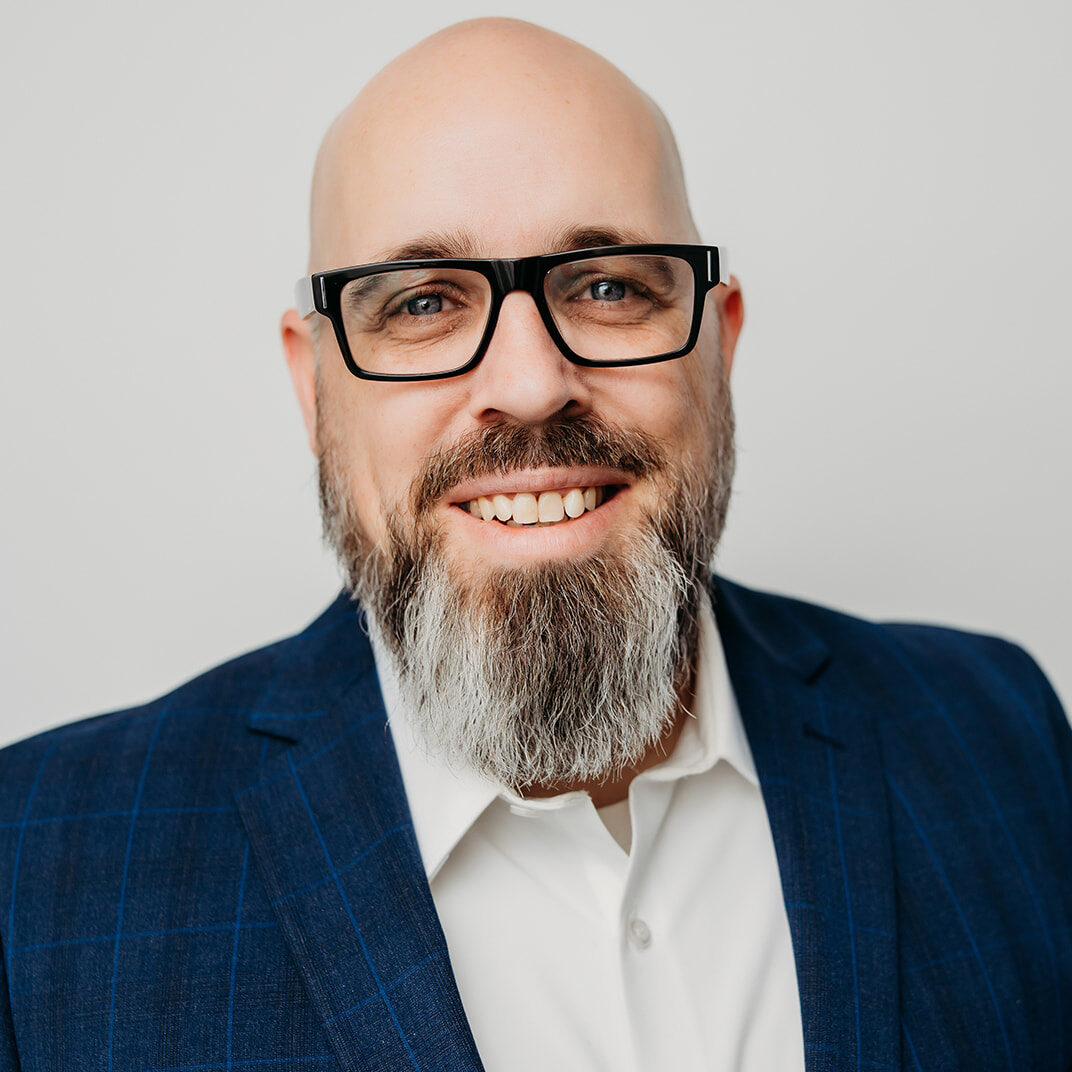
Patrick McBride
Hi, I'm Patrick McBride, Founder and Principal of The McBride Agency. We appreciate you visiting our website, and look forward to helping protect your business, family, and livelihood.